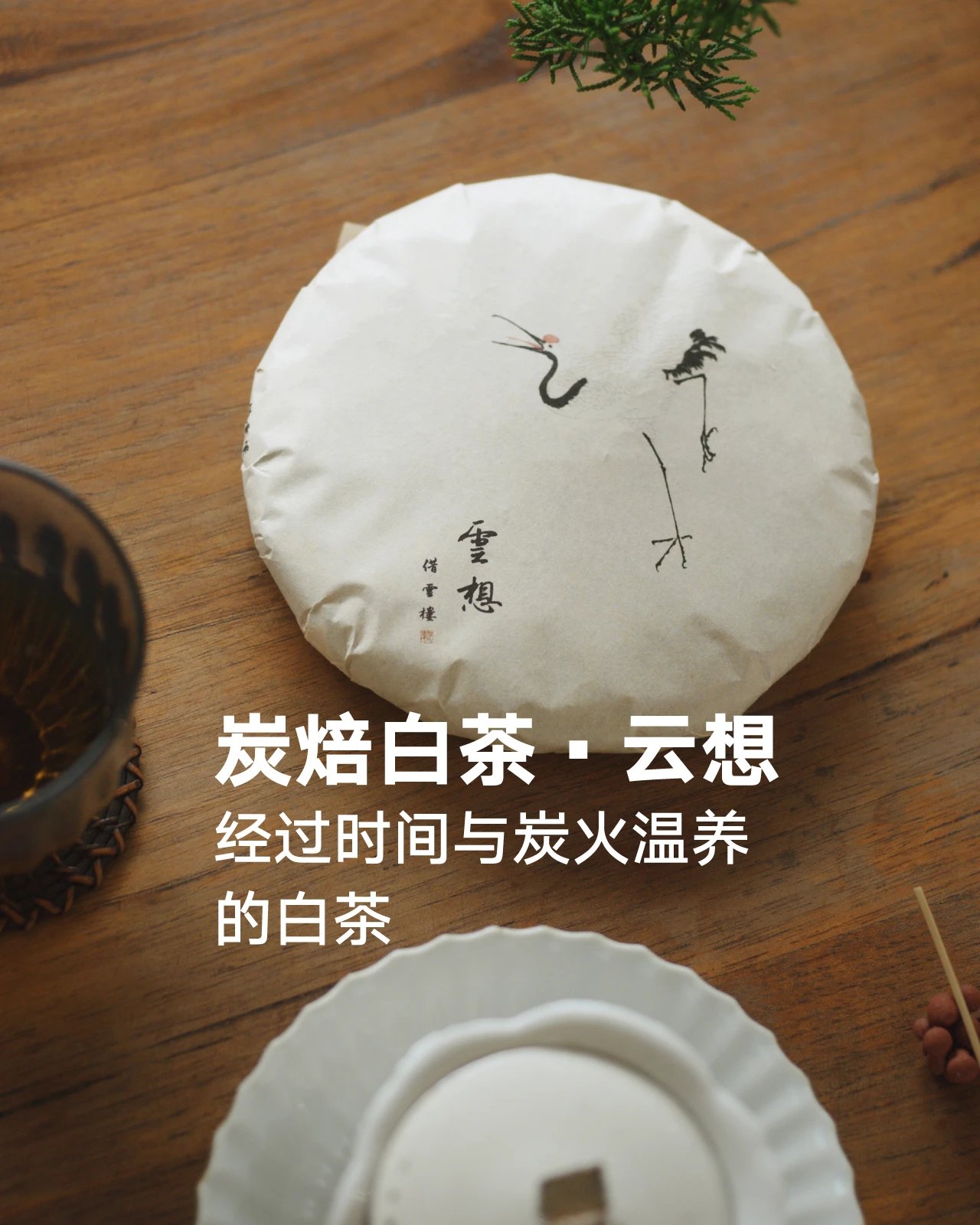
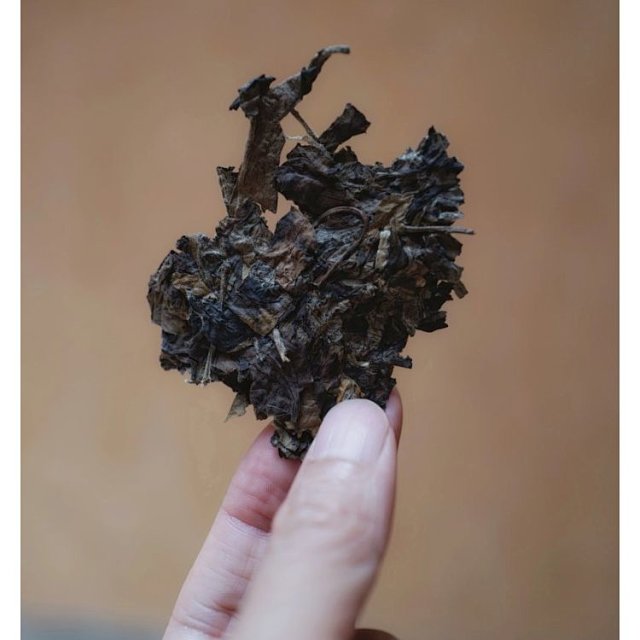
White tea nurtured by time and charcoal fire — clear, warm, and deeply layered.
Yunxiang is a white tea that has been slowly refined through traditional charcoal roasting. The charcoal fire does not impose a heavy roasted flavor. Instead, it serves as a gentle, deep reorganization of the tea — concentrating its aroma, enriching its body, and opening new space for transformation. Like a piece of craftsmanship polished by time, the fire does not change its nature; it reveals its fullest state.
White tea is the most natural of China's six tea categories. It is neither pan-fried nor rolled — minimal human intervention. After spring harvest, the fresh leaves slowly wither between mountain wind and sunlight. Moisture evaporates naturally; internal substances transform gradually with time. The tea maker's role is simply to wait — to wait for a leaf to complete its own transformation.
This is the Eastern wisdom of "following nature": life is not forced into change but restored to balance in the right environment. Tea is no different. Good white tea preserves what heaven and earth have given it.
Yunxiang is a white tea refined through traditional charcoal roasting. The purpose of charcoal roasting is not to create an aggressive fire aroma. True charcoal roasting uses fire as a medium — a gentle, deep reorganization of the tea.
The charcoal fire's warmth helps the leaves further adjust their internal moisture. It concentrates the aroma, deepens the liquor, and gives the white tea greater space for future transformation. Like an artifact polished by years, the fire does not change its essence — it reveals a more complete state.
Selected from Bangdong region — Xigui, Nahan, and Mangang vine-type ancient tea trees. The trees grow in stone-soil gardens, absorbing the spirit of mountain forests, rich in internal substance.
Following traditional white tea craft. No rush to process — leaves slowly lose moisture in open air, allowing aroma and flavor to gradually take shape.
The leaves continue to transform over time. Fresh, herbaceous notes gradually evolve into softer, more mature flavors.
Traditional charcoal fire slowly nurtures the tea. Through this process, Yunxiang sheds the coldness of new white tea — becoming balanced, warm within and clear without.
First impression: the clarity of a mountain forest. Into the cup: warm and sweet. The aftertaste: time's lingering resonance.
The liquor of Yunxiang presents a clear, warm hue. In the first infusions, elegant floral and plant notes characteristic of white tea emerge. As brewing continues, the aroma opens — delicate honey, woody depth, and the gentle warmth of charcoal fire appear in succession.
On the palate: soft, delicate, full without being assertive. The aftertaste is long and quiet, leaving the grounded presence of an autumn mountain forest. This is a tea to spend time with — not seeking instant brilliance, only enduring resonance.
A leaf, nourished by mountain wilderness, settled by time, warmed by charcoal fire. In the end, it meets you in a cup. Not seeking to astonish in an instant — only to leave a lasting memory.
A white porcelain gaiwan, Yixing teapot, or simple glass cup all work beautifully. Porcelain highlights the tea's clarity; clay adds depth.
Use soft, clean water — spring water is ideal. Bring to a boil and let it cool slightly to 90–95°C before pouring.
Use 5g of tea per 150ml. Rinse briefly, then steep 15–20 seconds for the first infusion. Increase gradually. The tea yields many infusions.
Sip slowly. Notice how the aroma shifts from floral to honey to woody warmth. Let the quiet aftertaste linger — this is a tea that rewards patience.