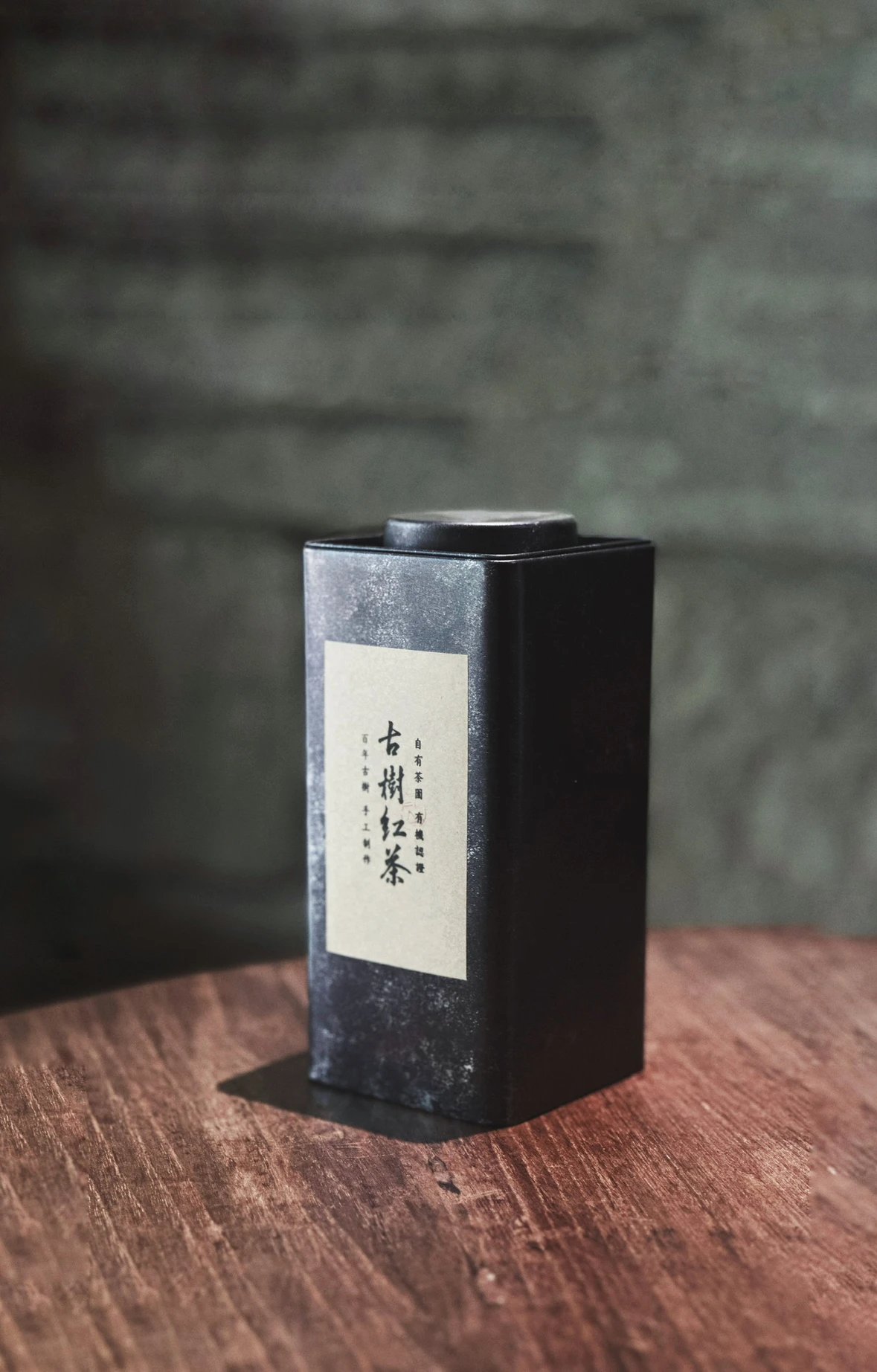
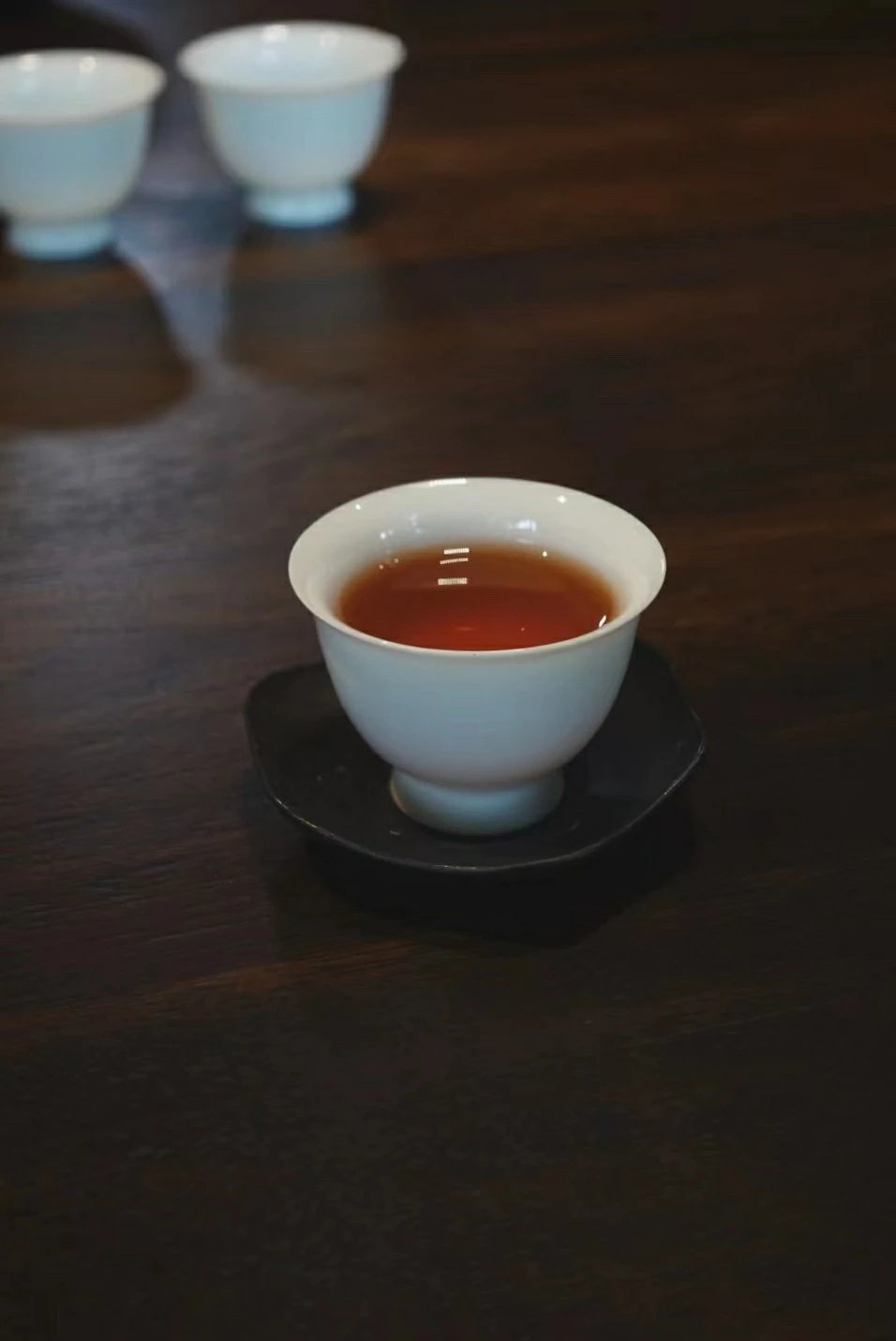
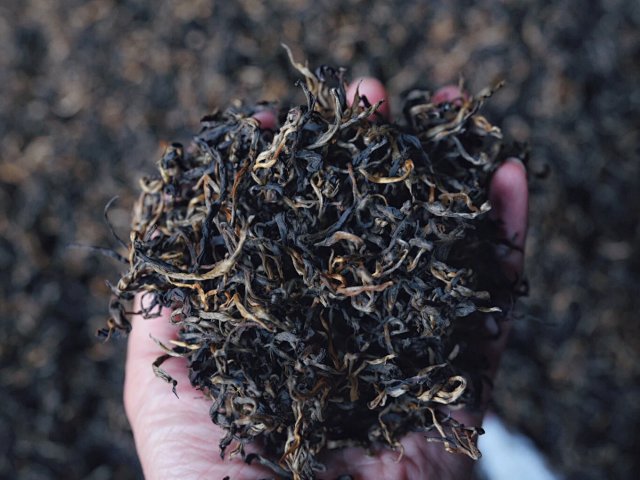
Wild-grown ancient tree black tea from 1,500m elevation — deep red liquor, roasted warmth, lingering caramel sweetness.
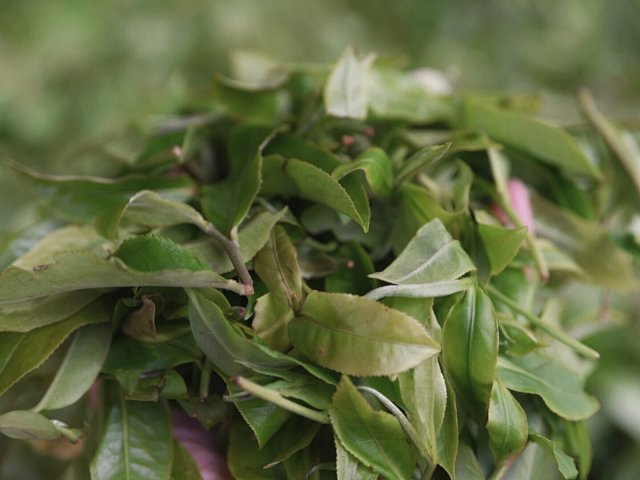
From our own tea garden in Mannla Village, Menghai, this black tea is crafted from ancient tea trees growing wild at 1,500 meters. The liquor is deep red and full-bodied — a brief, light astringency passes quickly, leaving a warm roasted sensation that transforms into subtle caramel sweetness. Layered, rich, and endlessly rewarding.
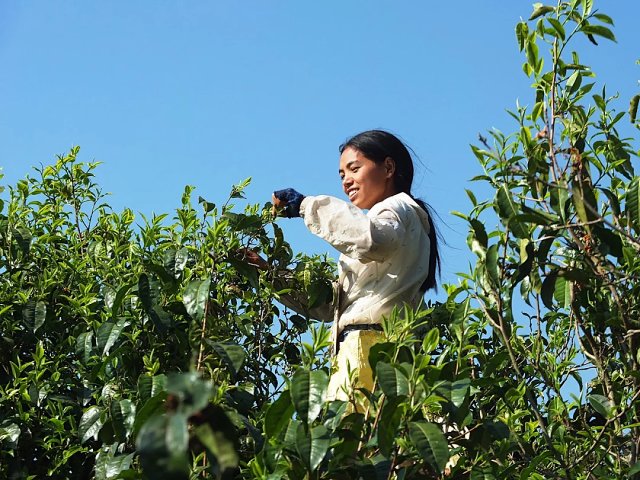
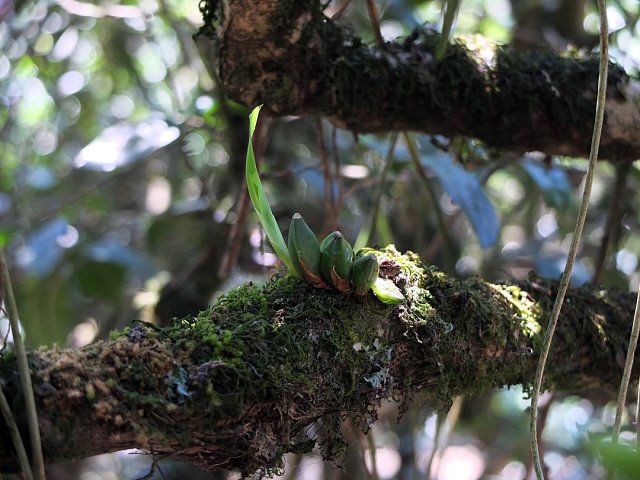
The tea trees grow at an elevation of over 1,500 meters in the mountains of Menghai. The climate is humid with abundant rainfall, and clouds linger over the peaks throughout the day. The reddish, acidic soil is rich in organic matter, and the diverse vegetation creates an ideal environment for tea. Ancient tea tree groves planted by previous generations are scattered throughout this mountain forest. Management involves only hand-weeding — no pesticides, no chemical fertilizers. Purely organic, purely natural.
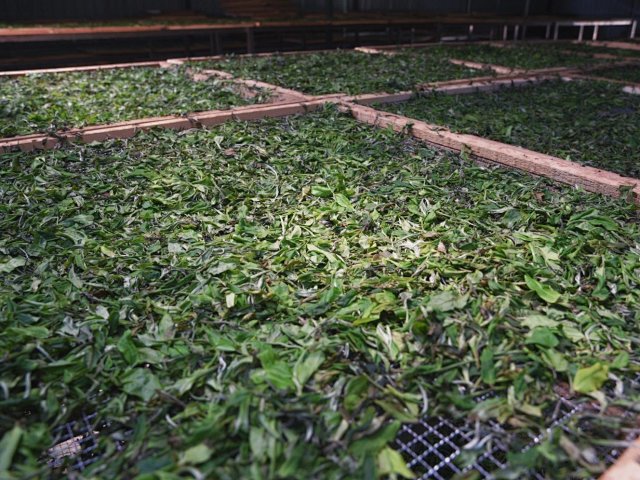
We invited a master craftsman from the Fengqing Tea Factory to teach traditional Dianhong (Yunnan black tea) techniques to the tea makers in our village. Over several years, we have continuously refined the process to suit Menghai's climate and local tea leaves. The village is called Mannla — meaning "the village that plants tea." For generations, the villagers have lived by and for tea. We believe that tea made with the maker's heart simply tastes better.
Good raw material and good craft yield a tea that is sturdy, grounded, and enduring. The liquor carries a wild mountain honey aroma — rich, full, and highly resistant to multiple infusions. Each cup reveals new layers: roasted warmth, caramel sweetness, and a clean, mineral finish.
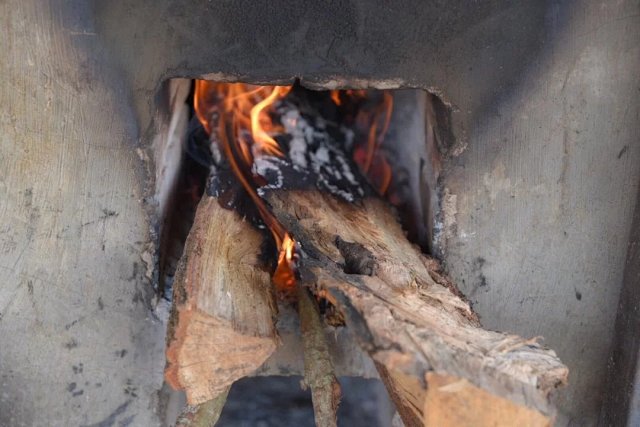
Traditional firewood roasting is increasingly rare today, gradually being replaced by natural gas. But we still insist on charcoal fire. We believe that in the slow process of natural wood-fire roasting, the tea finds its most authentic flavor — a taste that machines cannot replicate.
Our tea garden has been under organic management for over 10 years, certified by Japan JAS Organic and China CNAS Soil Certification, ensuring the safety and purity of every leaf.
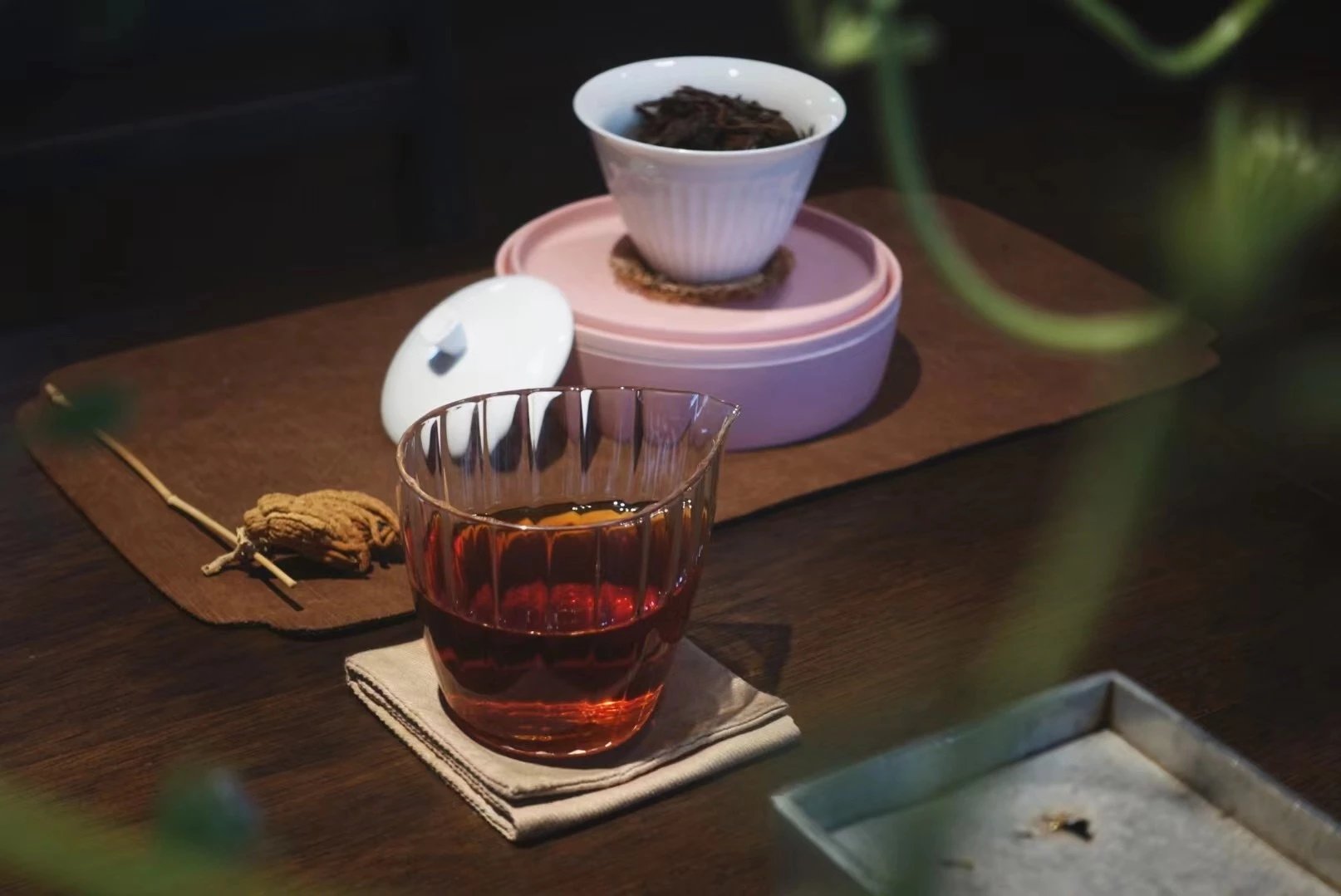
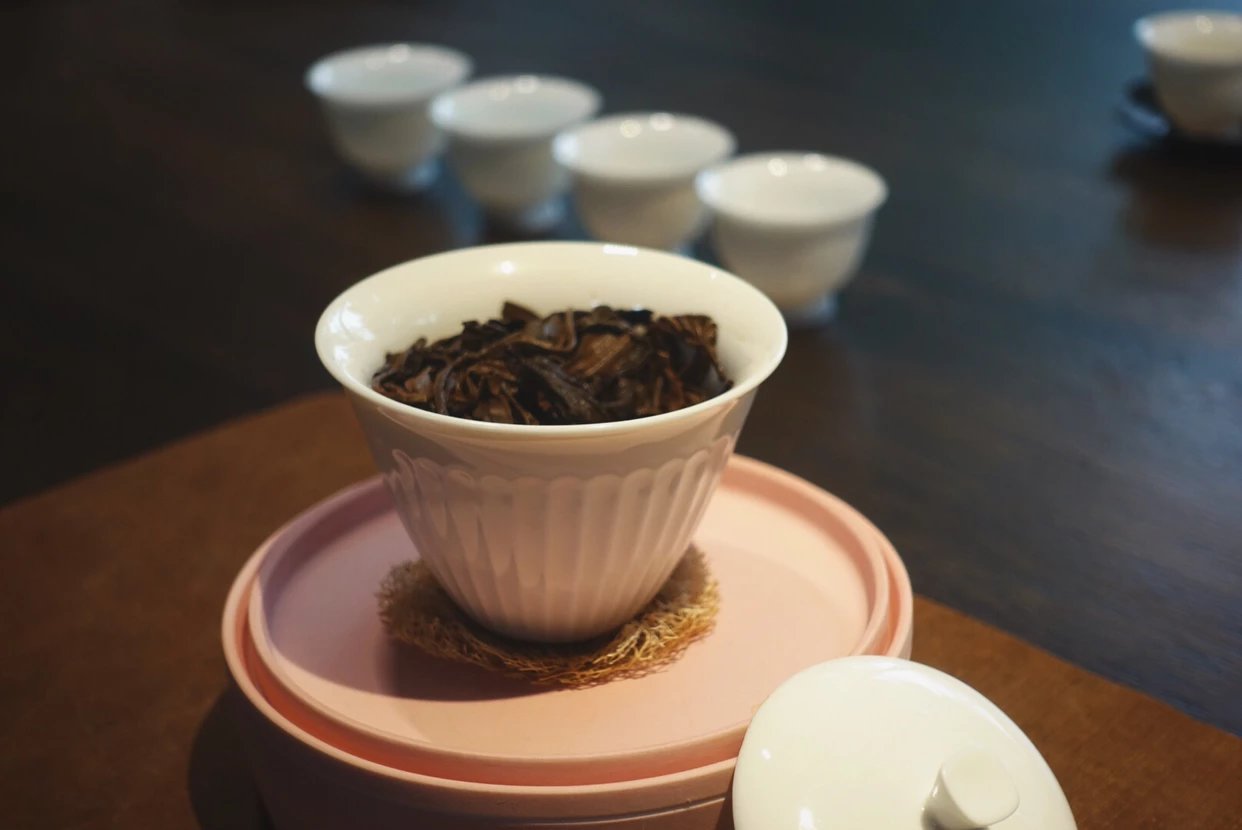
Take 5–7g of tea leaves, adjusted to your vessel and preference. This tea is robust and suits both pure brewing and milk tea blending.
Spring water or bottled natural mineral water is ideal. Boil, then let it settle to about 90°C before pouring. Lower temperature prevents excessive extraction and acidity.
Rinse briefly, then brew. First infusion can be poured quickly; second infusion steep about 10 seconds, then gradually increase time. Avoid prolonged steeping.
The tea yields many infusions. Its bold character also makes it excellent for milk tea — brew strong, then add warm milk and honey to taste.